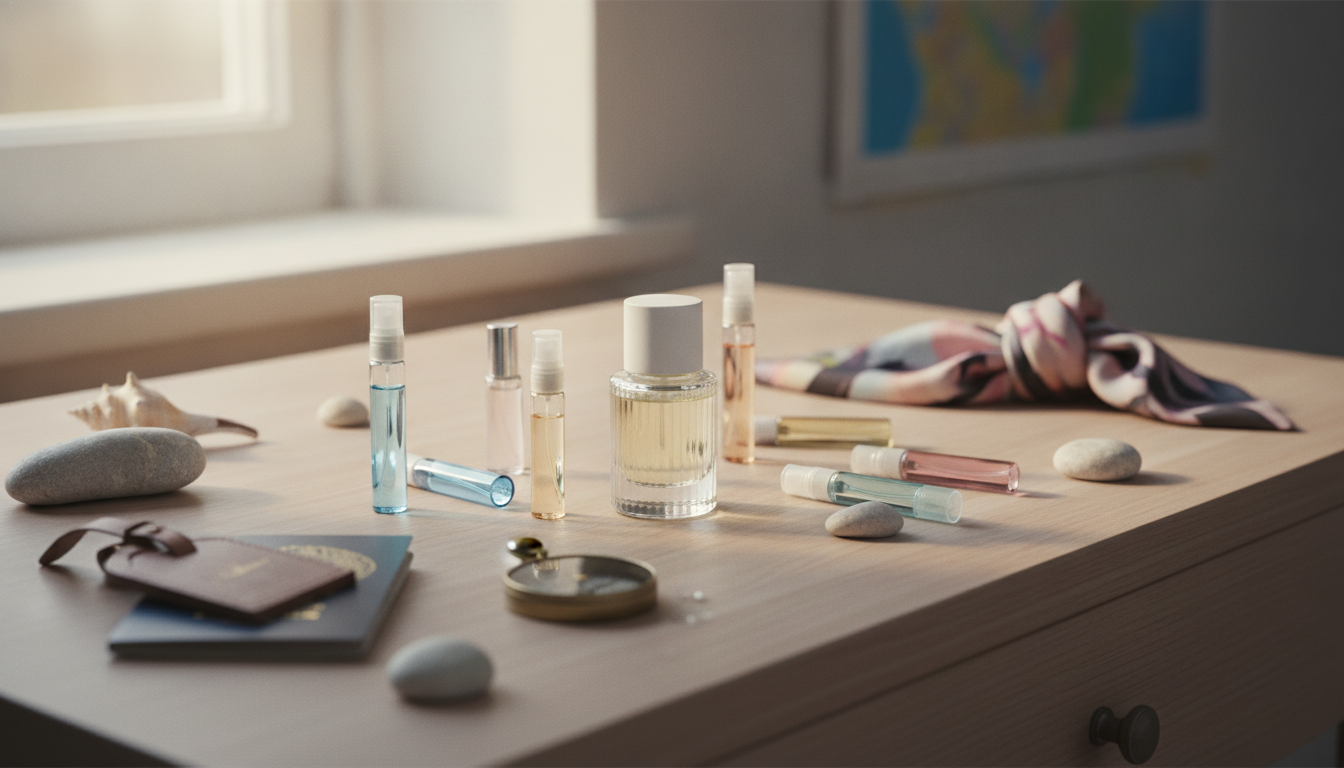
Travel changes how a fragrance behaves. Heat and humidity can turn a “soft” scent loud, while dry cabin air can make bright top notes vanish faster than expected. Add packed schedules and close quarters—planes, elevators, shared rides—and the right choice becomes less about chasing maximum longevity and more about finding a scent that feels comfortable, flexible, and easy to refresh. Below is a practical method to pick what to bring, how to apply it, and how to build a mini scent wardrobe that covers the whole trip without overpacking.
Before picking notes, match your fragrance to the conditions you’ll actually be in.
Hot, humid locations amplify sweetness and projection, so dense gourmands can become cloying fast. In cool or dry air, sparkling citrus can feel muted, while woods, resins, and ambers tend to read richer and more noticeable.
A beach day, a museum morning, and a late dinner don’t need the same intensity. If your schedule swings from casual to formal, choose either (1) a versatile “all-day” fragrance or (2) a light daytime option plus a warmer evening swap.
Tight spaces reward low-projection profiles: cleaner musks, airy woods, gentle florals, and tea-like aromatics. Think “pleasant at arm’s length,” not “announces itself before you enter the room.”
Some settings—religious sites, fine dining, small taxis—are easier with subtle application. When in doubt, use fewer sprays and keep them closer to the body (under clothing, or low on the torso) for discretion.
When traveling with others, softer musks, sheer florals, and lighter application can reduce the chance of discomfort. If you’re prone to headaches, avoid overdosing sweet notes in heat and skip heavy spraying in enclosed spaces.
Concentration matters, but stronger isn’t automatically better on the road.
Eau de Parfum can be efficient—fewer sprays, longer wear—but in close quarters it can also feel too present. Eau de Toilette and fresher structures can feel uplifting after a long flight, though they may need a mid-day refresh.
| Travel scenario | Best fragrance direction | Why it works | Application tip |
|---|---|---|---|
| Hot, humid destination | Citrus, aquatic, green, sheer florals | Heat boosts projection; fresher structures stay comfortable | 1–2 sprays on clothing or behind knees for softer diffusion |
| Cold weather getaway | Woods, amber, vanilla, leather, incense | Cold air can dull top notes; deeper bases feel cozy | Spray on pulse points + scarf/outerwear (lightly) |
| Business trip / meetings | Clean musks, soft woods, tea notes, light aromatics | Professional, close-range friendly | 1 spray max; favor under clothing for discretion |
| Beach / resort | Solar florals, coconut, salty notes, neroli | Matches leisure vibe; pairs with sunscreen | Avoid overspraying; reapply after swimming |
| City break with day-to-night plans | Versatile woody-floral or aromatic-amber | Transitions well without clashing | Day: 1 spray; night: add 1 targeted spray |
| Long-haul flights | Skin musks, airy woods, low-sweetness fresh | Cabin air is dry; neighbors are close | Apply after boarding; keep it minimal |
A small travel wardrobe beats a single “do-everything” bottle when your trip has multiple moods. Aim for roles, not redundancy:
For ingredient and safety context, refer to the International Fragrance Association (IFRA) standards and guidance.
Choose low-projection profiles like skin musks, clean woods, and light citrus or tea notes, and keep sprays minimal. Apply after boarding so you can gauge the space and avoid overwhelming nearby passengers.
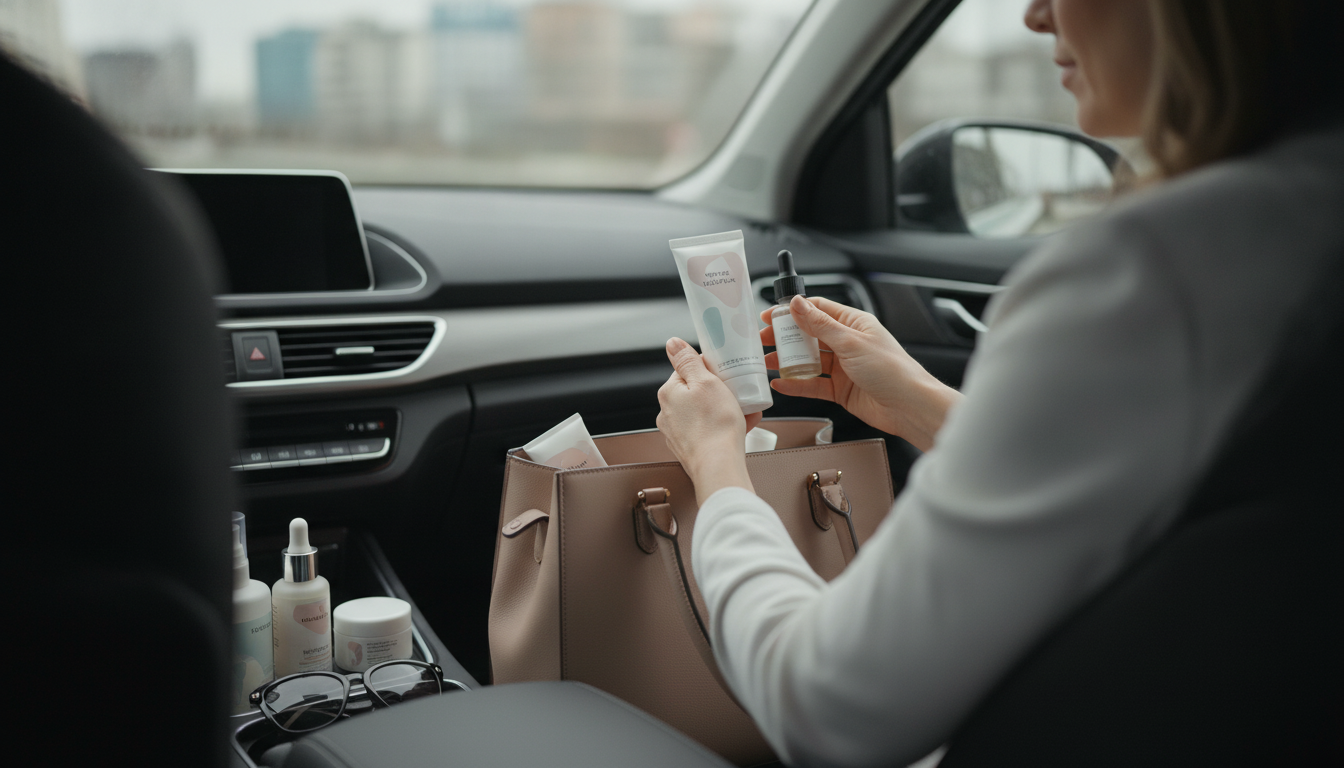
Moisturize first with unscented lotion, target pulse points, and use a light mist on clothing when appropriate. Carry a small decant for a controlled mid-day refresh instead of adding extra sprays upfront.
One to three is the sweet spot: a versatile anchor, a fresh daytime option, and a warmer evening scent if your plans vary. If the itinerary is simple, one well-balanced fragrance can cover the full week.








Leave a comment